
WE ARE NIMÍIPUU
PROTECTING THE ENVIRONMENT
-
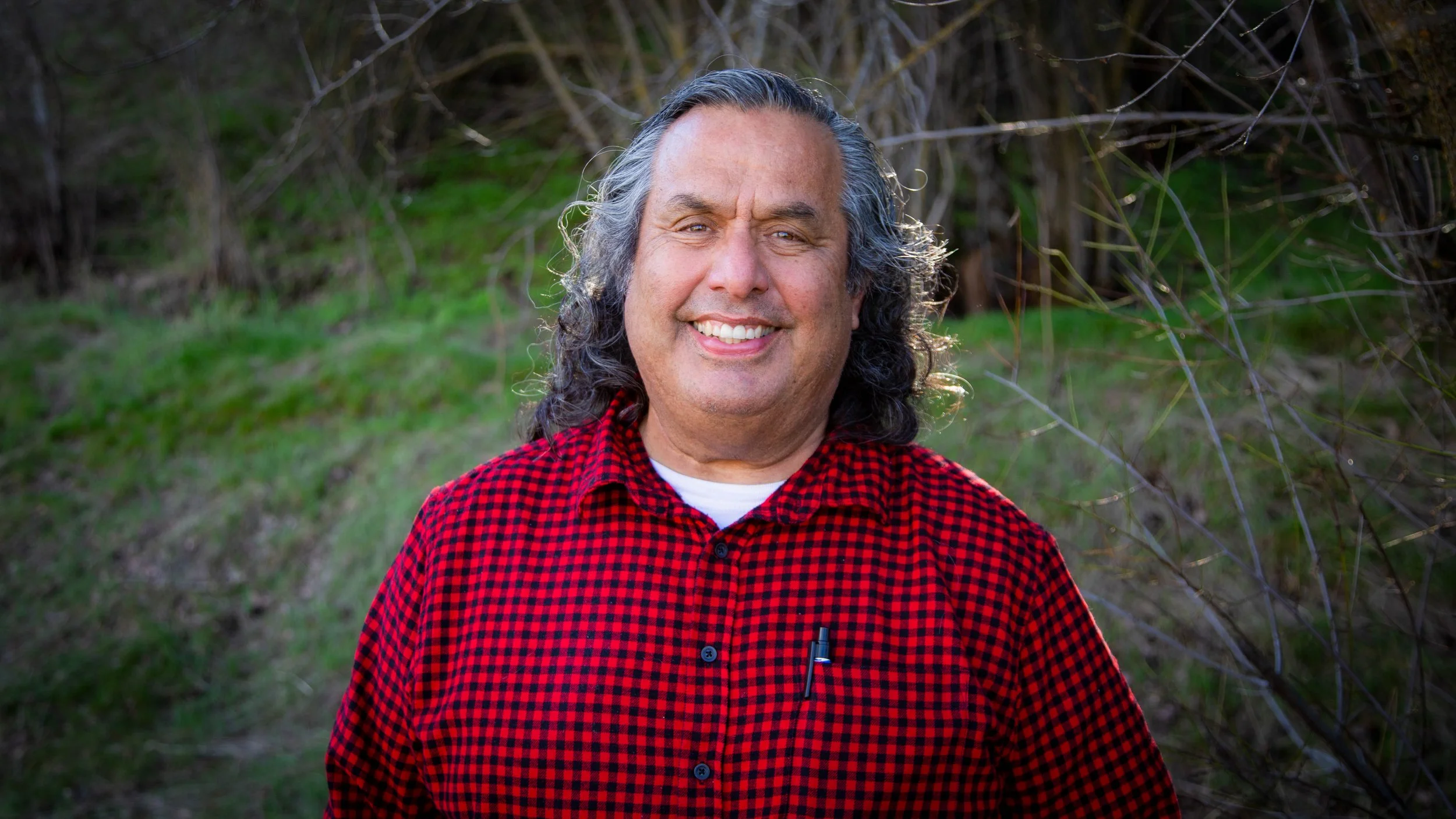
JULIAN MATTHEWS, Founding Board Member and Coordinator
Julian is an enrolled Nez Perce tribal member & has been actively involved in Environmental issues for over 30 years primarily in response to threats made on or near the Treaty of 1855 areas. These areas are guaranteed to the Nimíipuu with the signing of the 1855 Treaty and in many instances, the federal, state or local governments or private interests interpret these rights quite differently than do the Nez Perce people.
Julian is committed to ensuring that the Treaty Rights to hunt, fish and gather are kept and protected for those who come after us as the Treaty of 1855 signers protected these rights for us to this day. His main goal is to ensure that Tribal youth and adults are educated and have good knowledge of issues affecting our people and making sure that we (the Nimiipuu) take an active role in protecting our Treaty rights.
-
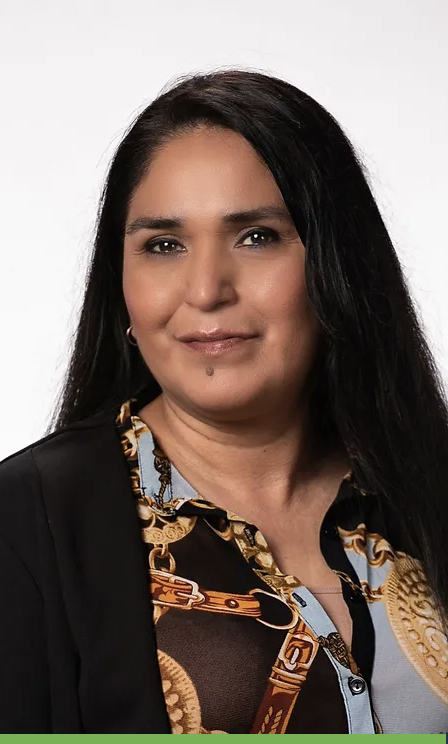
DOROTHY SHERWOOD, President of the Board of Directors
Dorothy is a member of the Nez Perce Tribe. She has been managing the Tribal owned Nez Perce Express C-Stores for the Nez Perce Tribe since 2017. Prior to the Nez Perce Express, she worked for her family Wheeler Bros. and was the General Manager of C-store operations for 13 years.
Through her work, Dorothy supports and sponsors many youth activities baseball, basketball, dance, soccer. They are a proud supporter of the Boys and Girls Club of the Nez Perce Tribe and fundraise annually for the club.
Dorothy is a participating member in the Tribal Convenience Store Association. She sits on the Nez Perce Tribe Sewer Water Utility Board as Secretary.
-
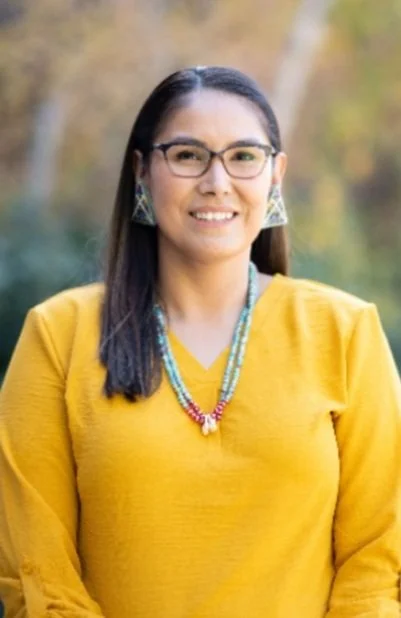
SHANNY SPANG GION, Board Member
B.S. Environmental Science, MS Interdisciplinary Studies, PhD Candidate in Natural Resources Program
Shanny Spang Gion is Northern Cheyenne, Crow, and of German heritage. She was raised in Lame Deer, MT and is an enrolled member of the Northern Cheyenne Nation. Shanny and her husband, Jake Gion, have four children, one who is already in the stars.
Shanny holds a Bachelor of Science in Environmental Science from Montana State University and a Master of Science in Interdisciplinary Studies (Geoscience and Technical Communication) from Montana Technological University.
Currently, Shanny is a PhD student in the Natural Resources program at University of Idaho (UI). Her most recent work as the inaugural Visiting Tribal Scholar (VTS) at UI involved relationship building with tribal nations, exploring curriculum development in Indigenous Research Methods and Indigenous Knowledge Systems, developing research collaborations with tribes, faculty development, and mentoring students. Previously, Shanny worked for 11 years for the Northern Cheyenne Tribe government in natural resources and water resources management, with work experience extending from water research and planning to tribal water law implementation. Her PhD research continues this focus with understanding hydrosocial dynamics and imaginaries at Northern Cheyenne.
Her interests include Indigenous science and ways of knowing, Native nation building and rebuilding, water governance, decolonizing philosophies, Indigenous Research Methods, Indigenous Research Paradigms, climate science, and rebuilding relationships with water. Outside of professional work, she enjoys helping her kids develop their critical thinking skills and athletic ability, reading, and spending time with her relatives, both human and more-than-human.
-
Dr. REBECCA WITINOK-HUBER (Becky), Board Member
Becky grew up on a farm in rural Iowa, where she was raised to respect and honor the natural world, and developed a deep sense of adventure, and a fighting spirit. As the daughter of a hydrogeologist, she saw her mother dedicate her life to bringing the processes and stories of the natural world into the classroom to her students. Her father, an Iowa native, grew up farming the land, and carries a deep reverence and understanding of the connection between humans, natural resources and animals.
Becky has always loved the outdoors, and studied Wildlife Biology at the University of Vermont, before finding the West was calling to her spirit. She first moved to Colorado as a professional triathlete in 2008 and competed for six years around the world. Despite falling just short of her goal to qualify for the Olympics, the challenges and obstacles she faced and overcame as an athlete, still serve her well. From 2013-2015 Becky studied Social-ecological systems at Colorado State University, where she became fascinated with community-based water management, and women's rights. She lived in rural Kenya for six months, working with women and listening to their stories about the barriers and opportunities to be involved in water management and health. This includes human health and well-being, water rights and ecosystem functions, the ability of communities to adaptively manage their resources and live in communion, and the vital ecological knowledge of those who have lived as part of and worked with the land and water for generations.
Becky comes to us as a partner, advocate, and supporter of people and water. She has finished her PhD in Water Resources at the University of Idaho and would like to see more integration of ecological knowledge and science when natural resource policies are formulated so that management is holistic, adaptive, sustainable, and meaningful to people on the ground.
-
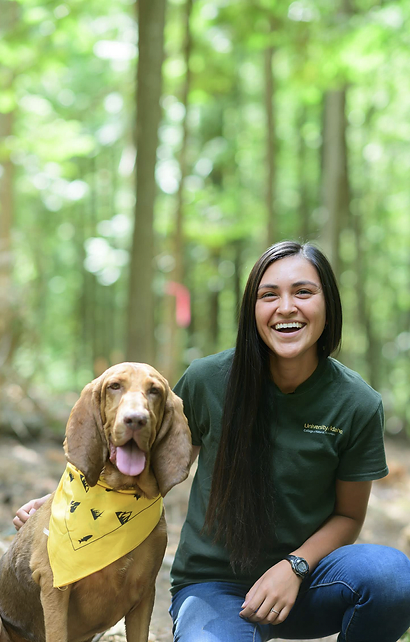
KASSANDRA TOWNSEND, Board Member
B.S. Ecology and Conservation Biology Student, Ph.D. Natural Resources, University of Idaho
I am an enrolled member of the Acoma Pueblo tribe but have grown up in southern Idaho. I am currently a PhD student in natural resources studying forest owls in Southeastern Arizona. I hope to become a wildlife biologist and lead research while also including environmental education. I hope to work with Tribal agencies and NGOs in the future.
I have been volunteering with the Nimíipuu Youth program and enjoy working with the Tribal and Non-Tribal youth.
-
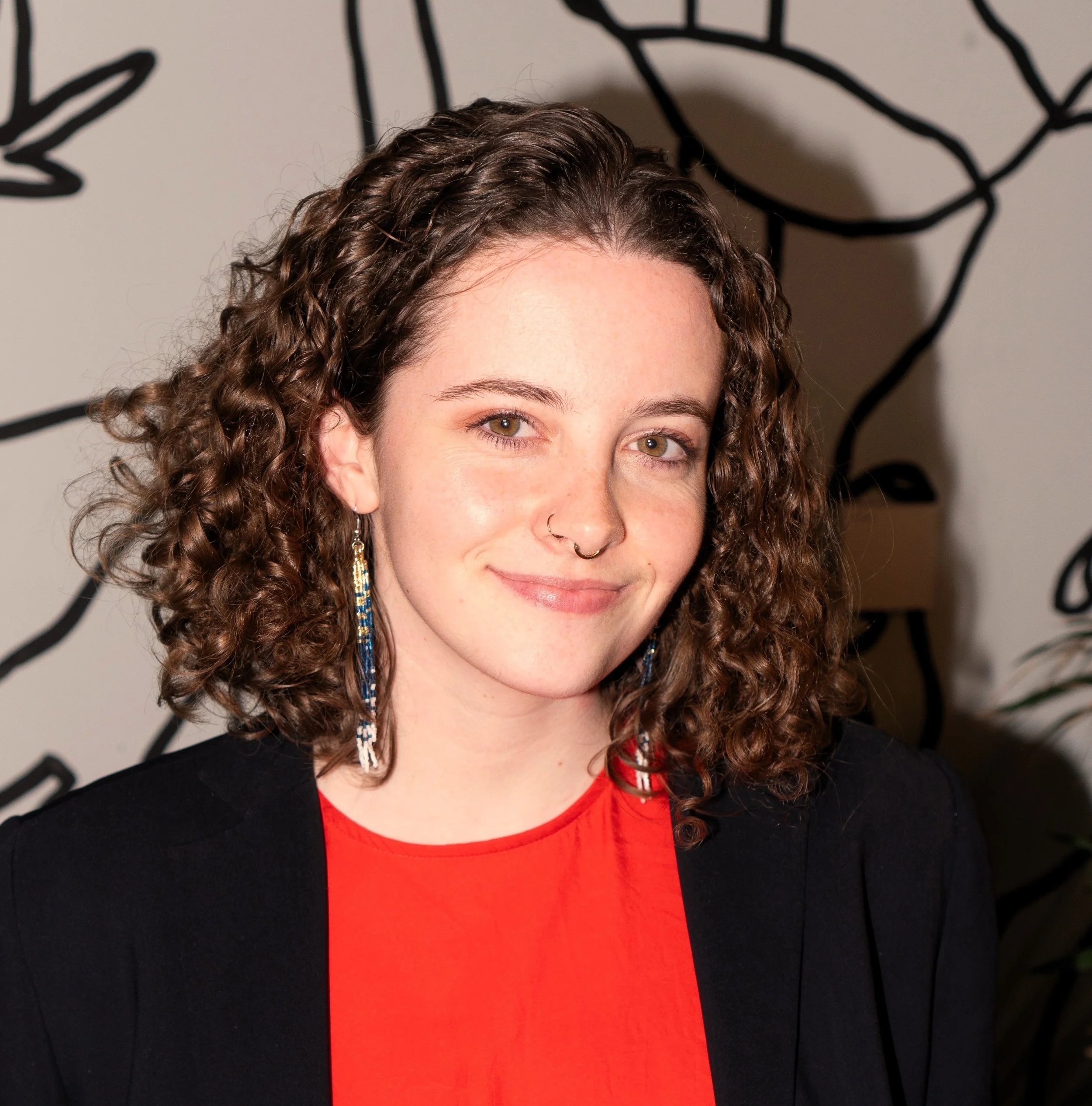
EMMA CARSCALLEN, Board Member
MSc, Global Health Policy
Having grown up on the beautiful Palouse and traditional Nimíipuu lands, Emma is a graduate from the University of Idaho with Bachelor of Arts degrees in Spanish and International Relations, completing coursework relating to Indian law and tribal sovereignty. She has done advocacy work in Washington DC with environment and international programs focused on nature-based climate solutions, and recently completed a MSc degree in Global Health Policy at the London School of Economics.
She looks forward to working at the intersection of climate, health and human rights.
-
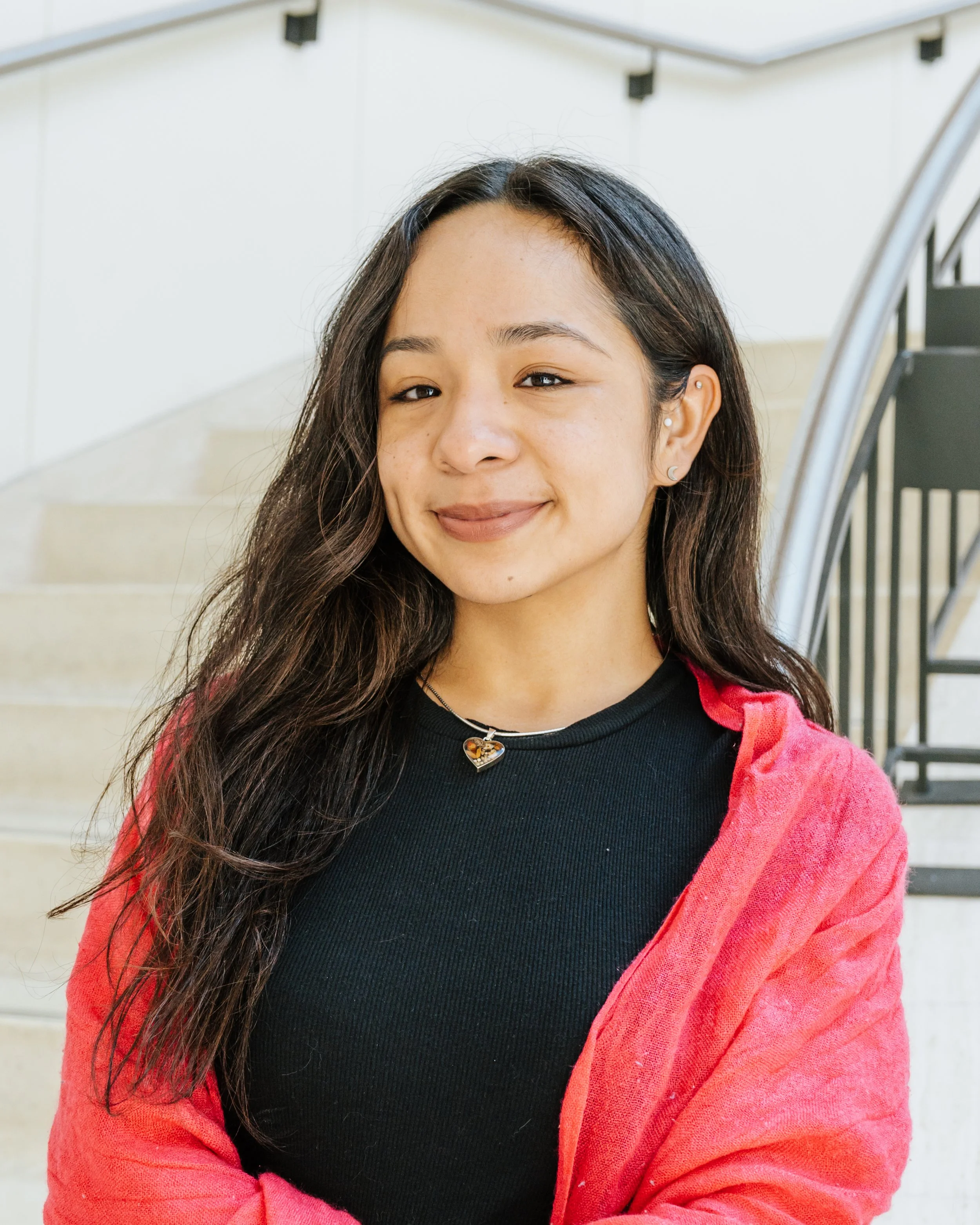
HERMOSA OTERO, Administrative Assistant
-
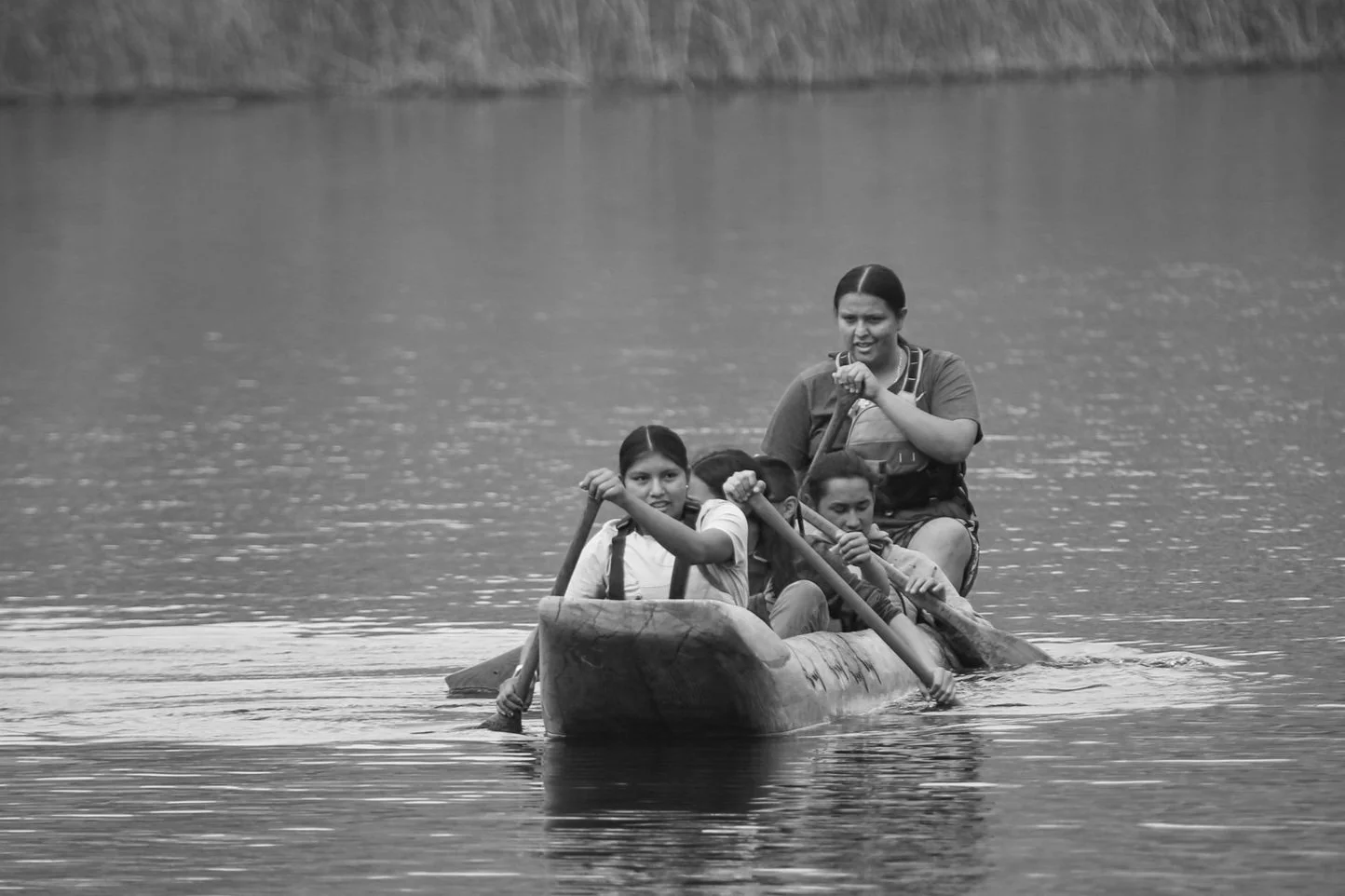
NIMÍIPUU PROTECTING THE ENVIRONMENT
If you look at animals or plants as spiritual beings, that will give you a different perspective on how you treat them. If you view the world as a commodity, it's always going to be like that. And that’s what we’re dealing with - the end product of all this mining, extraction and clear cuts…whether it’s trapping beaver, decimating buffalo, overfishing or the dams…when you take away one part, you can't have the whole. We believe the creator made this for us, not just for any big timber company or extraction industry, but for us to take care of.
And that's where the spiritual part comes in - we need to take care of this – it’s a part of us. We can't exploit it. We’re all connected. We need to keep that connection. All lives, the air and the water – they’re all connected. You can't diminish one and not affect the others. That’s really what we're getting at, is how to treat the earth with respect.